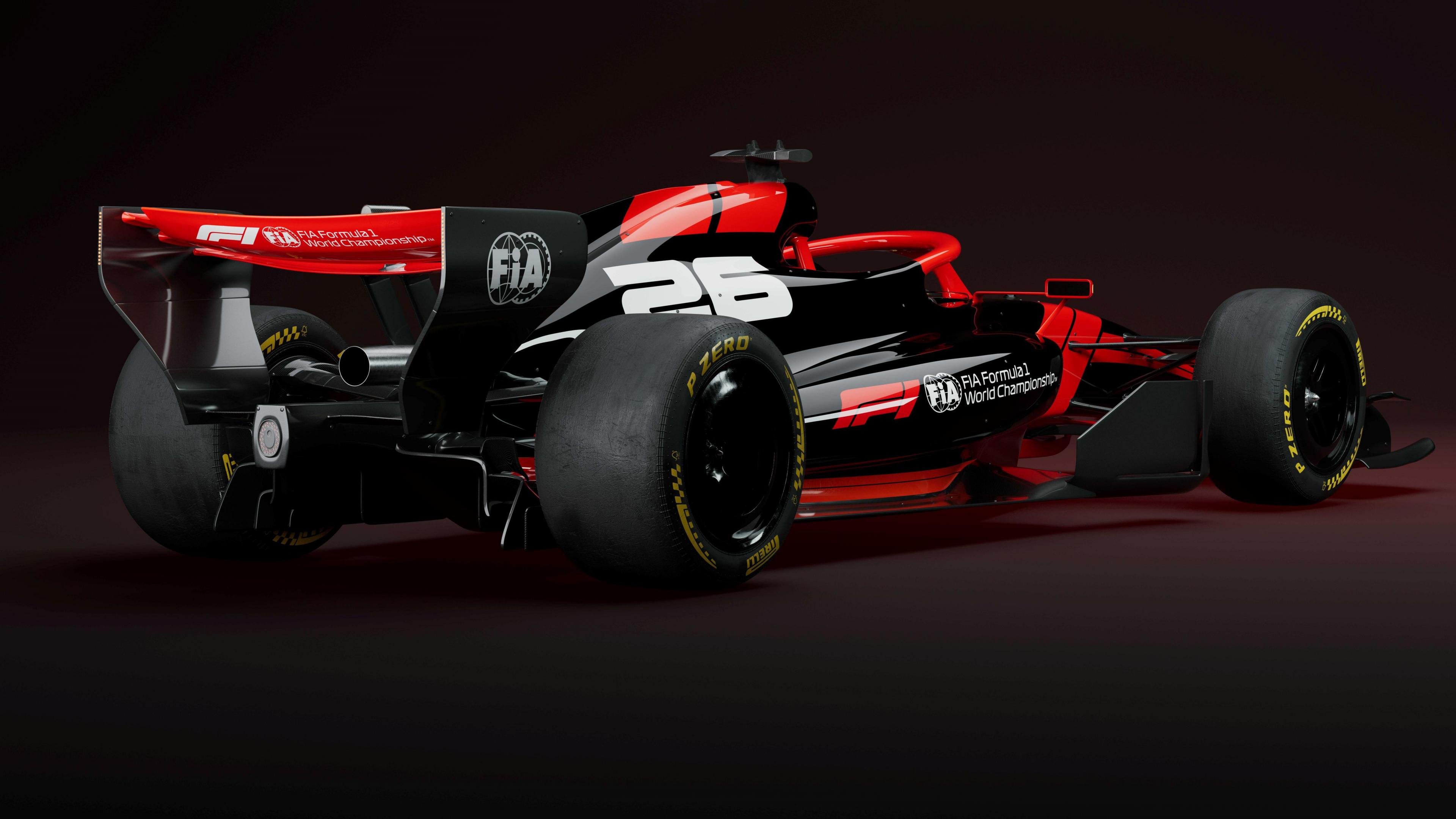
The vehicles for the 2026 season are set to be smaller, nimbler and more environmentally friendly compared to current models.
F1 has unveiled the new vocabulary that will be used to reference the technical complexities of its new 2026 regulations.
The sport is implementing what is considered the most significant technical shift in its competitive history next season, featuring new chassis and engine rules and the compulsory introduction of 100% sustainable fuels.
The new power units, which keep the hybrid V6 layout, boast a substantially higher energy storage, requiring key advancements in the aero packages.
Throughout races, pilots will strategically manage battery power – including during hot laps – to extract the optimal lap time.
Broad surveys were carried out with a mix of viewers, including new, casual and core fans, to identify which terms would improve understanding of the key features of the upcoming rules.
The stated goal was to make a range of advanced features of the racing as accessible as possible for the global fanbase.
Consequently, initial designations for some systems – such as "x-mode and z-mode" for the adjustable aero – have been discarded in favour of intuitive labels that clearly indicate the real-world effect of the innovation.
What's the New Technology?
Regulators explain that racers will have greater control to make decisions regarding power usage, harvesting, and conservation.
The new regulations feature a range of settings that will be shown on television graphics to enhance the fans' insight of the on-track action.
- Passing Mode: This supersedes the present overtaking aid. It provides a burst of extra electrical energy deployable when a car is close behind the car ahead to facilitate an pass.
- Extra Push Mode: This is a on-demand battery discharge from the energy recovery system that can be used in attack or defence. It provides the pilot full engine and battery energy at the activation of a control.
Both of these key functions will have to be managed carefully, as the overall battery capacity is restricted.
- Active Aerodynamics: Both the front and rear wings move automatically – spreading on the straights for reduced drag and top speed, and angling down in the corners for peak grip.
- Recharge: The system can replenish their battery with power recovered from braking, or during partial power application at the straight's end or in certain corners where only partial power is applied.
What's Changing on the Cars?
The 2026 cars will be more compact and lighter than this year, with a distance between axles shortened by 200mm to 3,400mm, width cut by 100mm – down to 1,900mm – and the car weight reduced by 30kg.
Cumulative downforce is expected to drop by approximately 15-30%, although squads will naturally regain performance as they develop their cars.
Drag has been cut by 40%. The cars will feature active aerodynamics – both wings will adjust on the straight sections to reduce drag and enhance velocity and click back into place for optimal grip in corners.
Tyres will continue to use 18-inch wheel rims, but the rubber compounds will be reduced in width, by 25 millimetres on the front axle and 30mm at the rear.
What's Changing in the Engines?
The 2026 engines will have an approximate 50-50 split in energy output by the petrol engine and the battery and motor, up from about 20% electrical under present rules.
The hybrid system is streamlined through the elimination of the MGU-H, the intricate and expensive component that generated electricity from the turbocharger.
All vehicles will be obliged to compete on carbon-neutral fuel, produced using plant-based materials or synthetic production methods.

